

10 Keys to Reducing Fire Hazards With Proper Wire Management
10 Keys to Reducing Fire Hazards With Proper Wire Management

10 Keys to Reducing Fire Hazards With
Proper Wire Management
Wire management is an essential practice for enhancing the safety, longevity, and serviceability of any space. This responsibility becomes especially critical for furniture manufacturers, interior designers, architects, project managers, and anyone planning or overseeing sizable projects.
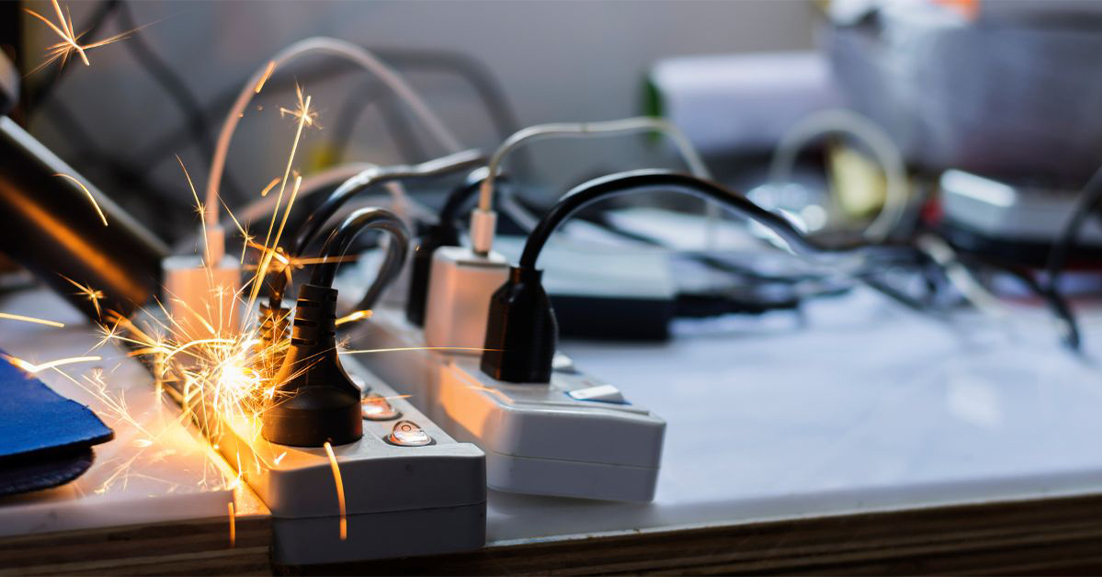
Poorly managed cables and overloaded circuits can cause residential and commercial fires, property loss, project disruption, and even death. Here are 10 ways to reduce fire hazards through proper wire management while promoting a high standard of quality and a commitment to occupant safety.
1. Organize Cables and Wires
Disorderly cables present dangers in any environment. When wires tangle or bundle haphazardly under desks, behind furniture, or inside cabinetry, they are far more likely to suffer from abrasion, bending, and insulation damage. Over time, this increases the risk of electrical short circuits, which may ignite fires.
Using cable ties, Velcro straps, or cable sleeves allows each cable to sit flat and not experience friction. For even greater efficiency in manufacturing or large-scale projects, incorporate cable management routes from the design phase. Taking a proactive approach demonstrates attention to detail and a commitment to quality from the outset.

2. Invest in Cable Management Tools
Using cable management products can help you create a safe infrastructure in residential and commercial settings. These include cable raceways, wire ducts, under-desk channels, and plastic grommets, which are ideal for passing cables safely through furniture surfaces. Plastic grommets protect wires from sharp edges and constant movement, maintaining cable integrity and reducing the likelihood of frayed insulation that could spark a fire.
Installing these solutions early in the project leads to longer product life, heightened safety standards, and a clean finish. Furniture manufacturers and designers benefit from these tools by complying with safety codes and enhancing their reputation for detail-oriented craftsmanship and thoughtful project delivery.
3. Avoid Overloading Outlets
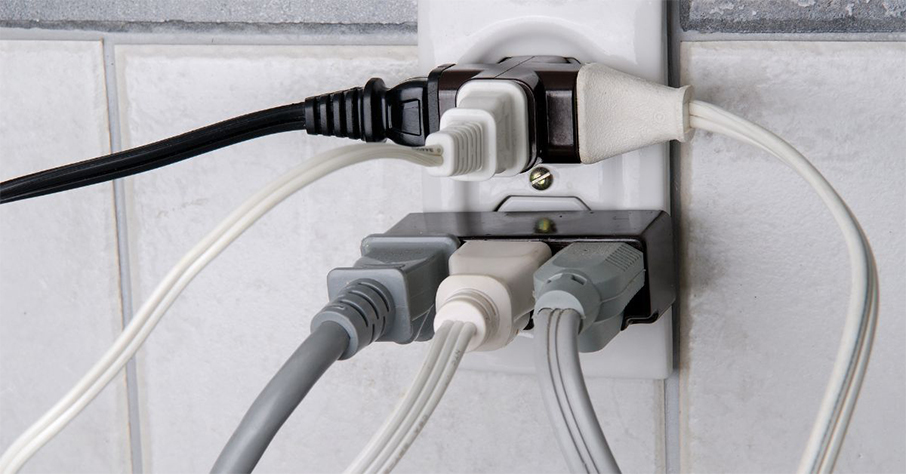
Overloaded outlets and circuits are a common cause of electrical fires. Electrical systems, whether in offices, homes, or retail settings, have maximum load capacities. When too many devices are plugged into a single outlet or power strip, the wiring heats up, the protective insulation degrades, and the circuits can fail.
Avoid this by distributing high-wattage appliances and electronics across multiple outlets, paying close attention to device requirements and total circuit capacity. Mapping out electrical loads as part of the planning process creates a safer, more reliable electrical infrastructure. This diligent planning keeps users safe and reflects a standard of thoroughness and care.
4. Inspect Old or Damaged Wires
Damaged or aging wires are prone to overheating and arcing, both of which are fire hazards. Replace any cables that show signs of wear, such as cracking, fraying, exposed conductors, or discolored insulation.
Perform routine inspections of the wiring setup, particularly before moving or installing new furniture and fixtures. For large-scale projects, keeping an up-to-date registry of installed wiring enables systematic evaluation by certified electricians while fostering a culture of continuous improvement in building safety.
5. Keep Wires out of High-Traffic Areas
Cables that snake through walkways, under carpets, or along busy corridors experience constant pressure. Repeated stress damages the sheath, positions wires in ways that encourage overheating, and leads to insulation failure.
It’s best to route wires along walls or use cable trays or covers to reduce the chance of damage. For furniture and space designers, incorporating these solutions directly into layouts enhances style and function. Clients value a seamless appearance, but even more importantly, the project maintains the highest level of occupant safety. This proactive planning underscores a thoughtful dedication to safe, user-centered design.
6. Use Surge Protectors Wisely
Surge protectors are the first line of defense against voltage spikes, which may instantly damage sensitive electronics. Be aware not to misuse these devices. Connecting too many appliances or exceeding the rated capacity of a surge protector contributes to fire risks.
High-quality surge protectors with overload circuits are ideal for client projects. Encourage the selection of models with clear certification markings, such as those bearing the UL or ETL logo. For commercial spaces, consider surge protectors with remote shutoff or status indicators for improved safety management.
7. Label Your Cables
Cable labeling supports safe electrical environments and streamlines future maintenance. Use heat-shrink labels, colored tags, or adhesive markers to identify cables connected to specific devices, circuits, or workstations. Labeling prevents unnecessary unplugging, bending, or pulling, which leads to premature wear.
A systematic labeling scheme encourages the safe handling of the correct wires during upgrades, moves, or repairs. It also directly reduces the chance of mistakes that could result in exposed or stressed wires and reinforces the perception of a company that values a safe wiring setup.
8. Bundle and Secure Excess Cord Lengths
Lengthy cords under desks or behind equipment can become dangerous obstacles. Plus, they are prone to tangling, which can weaken the outer insulation. Securely bundling and storing long cords using cable ties or specialized reels prevents accidental snags and reduces the risk of internal wire breakage. Designers and architects should account for cord management in their plans, whether that means specifying modular furniture with built-in cable storage or recommending accessories to clients.
9. Unplug Appliances When Not in Use
Leaving appliances and electronics plugged in, even when powered off, is risky. Devices in standby mode still draw current and produce heat. This puts them at risk of overheating. Make it a habit to unplug items that are not in regular use, such as printers, heaters, or kitchen appliances. Project managers overseeing communal spaces or furnished apartments should educate clients and tenants about this simple practice to promote an atmosphere of safety and shared responsibility.
10. Avoid Daisy-Chaining Power Strips
It may seem convenient to create extra plug space by connecting one power strip to another, but daisy-chaining is a fire hazard. This practice overloads the initial power strip and outpaces a circuit’s safe carrying capacity, generating heat at connection points that can cause fires.
If more outlets are needed, consult a qualified electrician about permanent solutions, such as installing additional outlets or specifying commercial-grade surge suppression systems for larger projects. Choose professionally designed solutions over quick fixes for the best results.
Every cable, wire, and connection in a space contributes to its safety profile. Use these tips to reduce fire hazards through effective cable management and protect the integrity of your property and the well-being of everyone who uses it. Connect with our specialists to discover advanced solutions that redefine your approach to modern, safe, and reliable spaces.