

The Evolution of Grommets: From Holes to High-Tech Solutions
The Evolution of Grommets: From Holes to High-Tech Solutions

The Evolution of Grommets: From Holes to
High-Tech Solutions
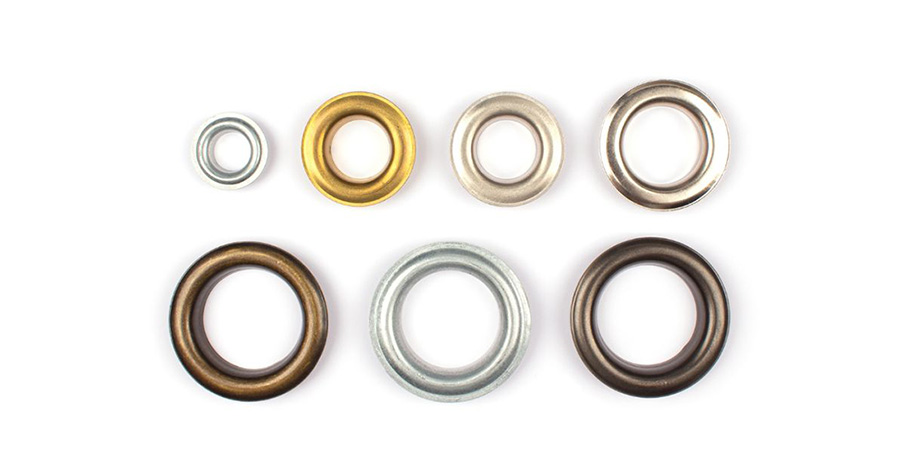
Grommets are ring-shaped components typically made from metal, rubber, or plastic. They reinforce holes, protect materials from wear and tear, and guide materials like ropes, wires, cables, or cords through holes.
From the past to the present, grommets have proven vital for enhancing durability and functionality in countless industries. From supporting sails on historic ships to enabling technological advancements in the aerospace sector, the evolution of grommets reflects the progress of human ingenuity. Dive into the evolution of grommets, from holes to high-tech solutions, to understand their role in supporting innovation.
Grommets in Fashion
Lacing means tying up clothes with a string or ribbon, threading it through reinforced openings like eyelets. This method was popular in earlier times because it allowed people to adjust their clothing for comfort and style. Small metal grommets are still commonly used to secure and easily adjust shoelaces.
For most of history, laced clothing used hand-made eyelets, which were small holes reinforced with stitches. Eyelets didn’t require cutting large holes in the fabric, preserving the clothing’s durability. However, hand-sewn eyelets were time-consuming to create and could weaken under the strain of tight lacing over time. They also didn’t provide the same level of consistent strength, especially for garments subjected to heavy use or tighter fits.
The introduction of metal grommets offered a sturdier solution, as they could manage the stress of tight lacing without fraying or breaking. Grommets also sped up the construction process since garment makers could quickly insert them into the fabric. Additionally, grommets allowed for more dramatic fashion changes, such as the extreme waist-cinching corsets of the Victorian era. This combination of durability and efficiency made metal grommets a significant improvement in garment construction.
Grommets in the Industrial Revolution
The Industrial Revolution marked a significant turning point in the evolution of grommets. With advancements in machinery, it became possible to mass-produce these components with consistent quality and shape. This allowed grommets to become widely accessible and affordable.
This era also saw the introduction of specialized grommet-making machines, enabling companies to experiment with designs and materials. The mass production of grommets empowered people to use them in more applications, ranging from industrial textiles to everyday clothing.
Canvas and Sail Applications
Grommets played an essential role in reinforcing sails and other heavy-duty fabrics used on ships. Sails were made from tough materials like canvas, which had to endure high winds, salt water, and constant use without tearing. By adding metal grommets, sailors could create durable openings to thread ropes and lines through without risking damage to the fabric. These reinforced points allowed sailors to attach sails to masts and rigging securely.
Grommets also allowed for proper sail tension, which was critical for steering and maximizing wind power. Grommets made it easier to adjust or replace sails quickly, minimizing downtime during long voyages. Without them, the wear and tear on vital equipment would have been far greater, posing serious risks to both the ship’s performance and the crew’s safety. Even today, canvas and sailmakers rely on grommets to reinforce heavy-duty fabric.
Metal and Plastic Grommet Innovations
Innovation surged when manufacturers began exploring materials beyond traditional metals. While sturdy metals like brass and stainless steel remain popular, the introduction of plastics opened new possibilities.
Plastic grommets resist rust and corrosion, which makes them suitable for outdoor or humid environments where metal alternatives might fail. Additionally, they are more cost-effective to produce, offering a budget-friendly option without sacrificing functionality for many uses.
Precision Manufacturing in Modern Grommets
Precision engineering has transformed how grommets are designed and manufactured, making them more dependable and efficient than ever before. Advancements in manufacturing techniques now allow for incredibly tight tolerances. This results in uniform shapes and dimensions, which not only improve the way grommets fit but also enhance their overall performance in demanding applications.
For instance, in aerospace, grommets protect wires and tubing and seal drains. Similarly, in the medical field, surgical tools can contain precision-manufactured grommets. By meeting strict performance requirements, these advanced grommets have become indispensable in industries that demand top-tier durability, accuracy, and long-term dependability.

Grommets and Electronics
Electronics rely on cables to connect components and deliver energy and information. Without protection, cables passing through sharp openings can experience damage like rubbing, cuts, or breaks. Grommets provide a simple yet powerful solution for securing high-tech components by cushioning the edges of holes that cables pass through. Without this protection, everyday vibrations or even slight movements could lead to fraying, cracks, or compromised connections over time.
Furniture Grommets
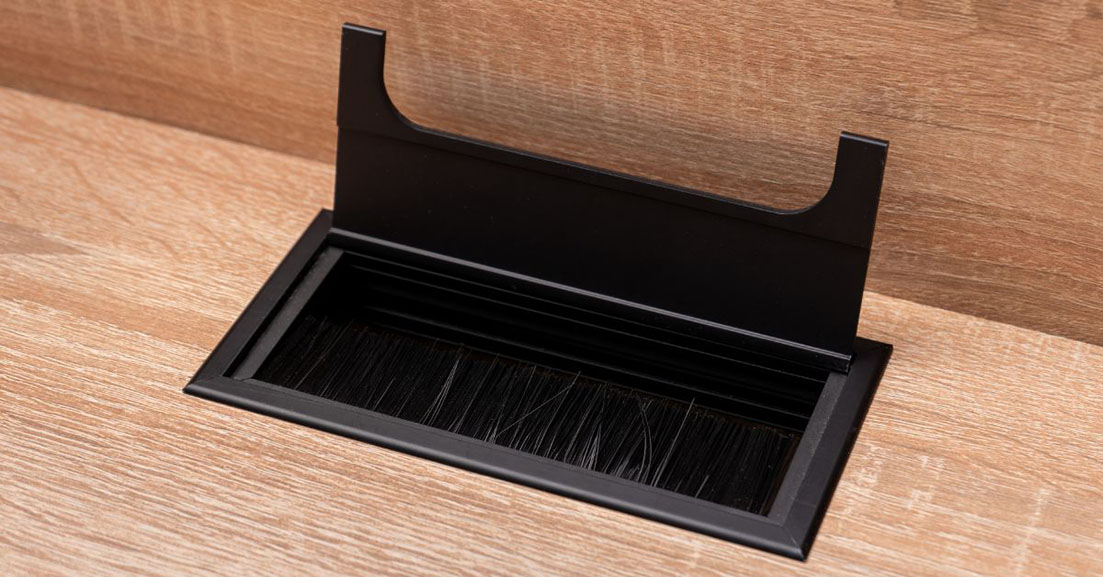
Modern furniture design has embraced grommets for cable management. Stylish grommets organize and conceal wires for a sleek, clutter-free appearance. They protect the furniture from scratches caused by cables rubbing on the surface, and they also give rough edges a clean finish.
Furniture grommets come in various shapes, such as rectangular or oval, to meet unique design preferences and functional needs. Some even feature integrated brushes to reduce dust buildup.
Advanced Grommets for Specialized Uses
Through advanced manufacturing techniques and innovative materials, grommets are now more durable, flexible, and resistant to wear and tear. Improvements in heat resistance, tensile strength, and weatherproofing allow grommets to perform well even under extreme conditions. Today, diverse industries can use grommets in demanding environments thanks to these innovations.
Automotive
Grommets play a crucial role in protecting cables and wiring from wear, especially in areas like engine bays and interiors. They are designed to withstand high temperatures, ensuring components remain safe and functional under extreme conditions. Additionally, they seal gaps, reducing noise and vibration for a smoother and quieter ride.
Aerospace
In the aerospace industry, grommets are used to manage cables in high-pressure and high-altitude environments. They enhance safety by preventing chafing or electrical shorts, which are critical in such demanding applications. Furthermore, grommets maintain the structural integrity of systems and panels under extreme stress.
Outdoor Gear
Grommets add durability to tarps, tents, and sails, preventing fraying or tearing in harsh weather conditions. Weather-resistant versions provide effective cable entries in outdoor equipment, ensuring they can handle exposure to the elements. These features make grommets essential for longevity and sturdiness in gear used for camping, boating, and outdoor adventures.
Medical Equipment
Grommets secure tubes and wires in medical devices, keeping them stable without disrupting functionality. They meet stringent cleanliness and durability standards, which is crucial for use in sterile environments. Furthermore, they improve equipment longevity by protecting sensitive cables during frequent sterilization or operational use.
Grommets have evolved from basic fabric supports to essential components for protecting materials in homes, offices, and a range of industries. Their versatility, durability, and precision engineering make them invaluable. By protecting cables and reinforcing openings, they continue to improve durability and efficiency.