

Celebrating Innovative Craftmanship in Hispanic Cultures
Celebrating Innovative Craftmanship in Hispanic Cultures


Celebrating Innovative Craftmanship
in Hispanic Cultures
Hispanic Heritage Month is a time we celebrate tradition, and the influence Hispanic culture has had on the world. This month, we're highlighting construction and design innovations originating from Hispanic countries.
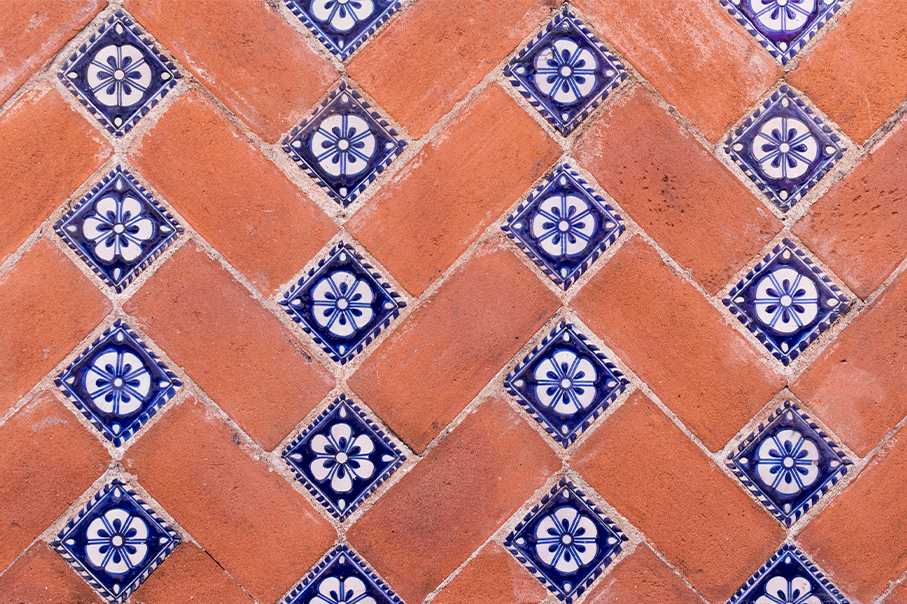
Talavera Tilework
Talavera tilework is a staple in Mexican artistry. From interior design to industrial design, you can see Talavera elements implemented in a variety of environments. Defined by bright colors and intricate design, Talavera tilework makes for artful displays of culture. It was first introduced to Mexico in the 16th century with the arrival of Spanish colonial settlements. During this time, Puebla was the center hub for Talavera tilework. Taking influence from both Spanish and Indigenous techniques, they blended them and created tilework with a mix of floral, geometric, and religious motifs. They were widely used in covenants, public buildings, churches, and in residential homes. They can now be seen all over the country in different spaces.
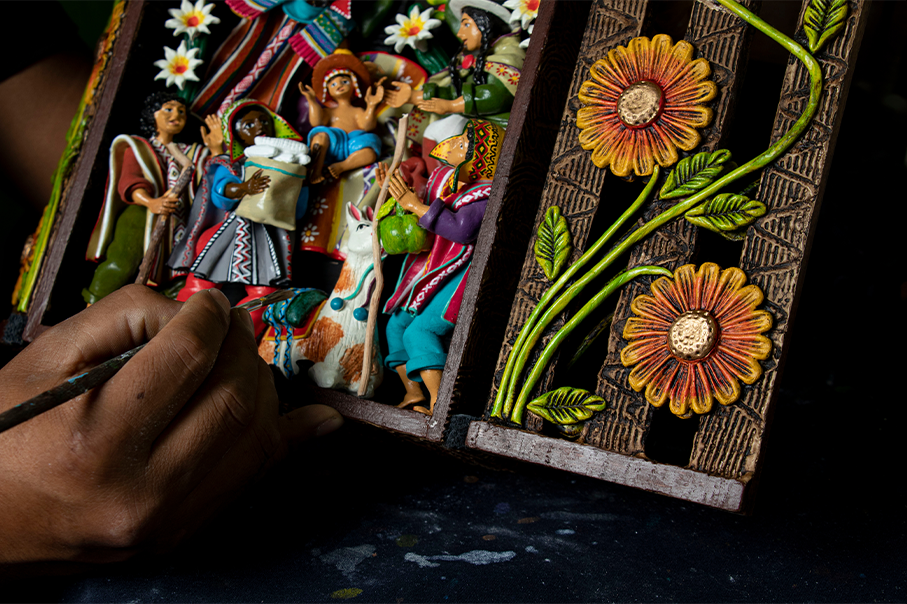
Retablos
Retablos are a staple in Peruvian culture. They date back to the 16th century when Spanish missionaries first brought the Catholic adornments to Peru. Retablos first served as a religious monument. In fact, the word retablo comes from the Latin word “retablo tabula,” meaning “behind the altar.” The elaborate carvings and painted panels made retablos artistic and cultural heritage pieces. Over the years, tributes exclusive to church spaces have evolved into portable altars. They can now be seen depicting everyday scenes like family get-togethers and festivals and even serve as a tool for political commentary.
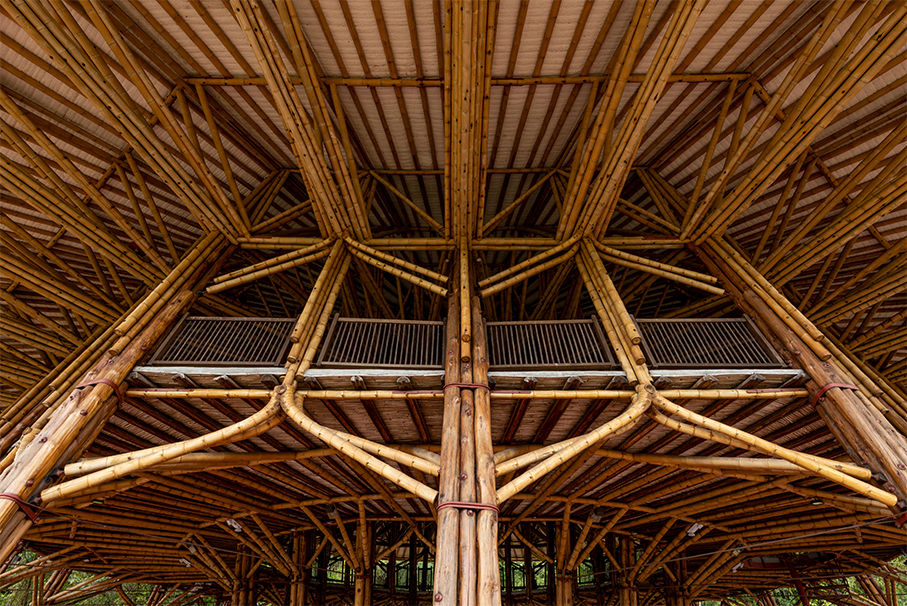
Guadua Bamboo Construction
Colombia has a native bamboo, guadua angustifolia, that’s been used for centuries to build homes, bridges, and other things. It’s strong and flexible, and since it’s a native plant, it’s also sustainable. The Indigenous people of Colombia were the first to use guadua for their homes and community spaces, withstanding Colombian tropical storms and earthquakes. At the turn of the century, architects started experimenting and incorporating guaduan bamboo construction in their own projects. The sustainability and versatility offered by the native plant were perfect for use in urban construction.

Chilean Pine Lumber
Chilean pine lumber is often referred to as Radiata Pine, and although it’s not native to Chile, it has become a staple in the country’s limber industry. This pine species was first introduced to Chile in the mid-19th century and brought over from the Baja California peninsula. By the 20th century, the Chilean government supported the development of Radiata Pine with subsidies and programs, which created a boom in radiata plantations. With the help of the pine, forests were revived, helping Chile’s environmental degradation and deforestation. Now, Chile has become one of the biggest producers of Raduata Pine lumber, helping make plywood, fiberboard, and pulp for construction worldwide.